What is Electroculture?
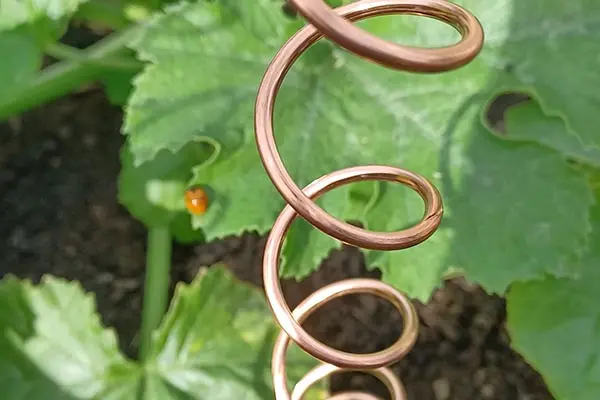
Electroculture involves using materials such as Copper electroculture antenna supporting plant vitality that draw atmospheric resonance into the earth, supporting plant growth and soil vitality.
The aim is to work with natural electromagnetic influences to support plant vitality, resilience, and soil health, with outcomes varying by context.

A brief history
In the late 1800's Karl Selim Lemström observed abundant growth near the aurora borealis and explored electricity in agriculture (published 1904).
In the 1920s Justin Christofleau described electroculture devices capturing atmospheric electricity, supplemented by telluric currents.
Practical additions
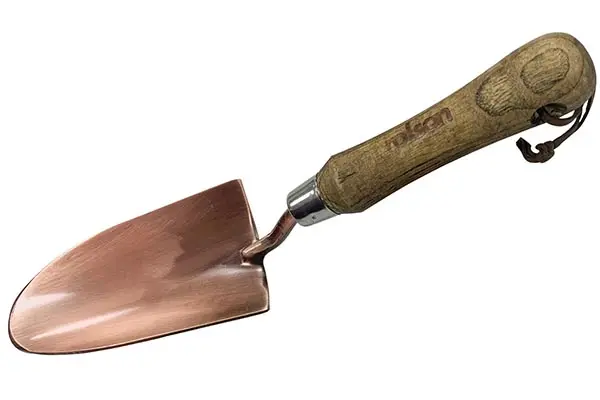
We can also advise on traditional nature-based approaches such as lunar timing, copper tools, nettle water tonics, and simple soil-supportive rituals.
This is offered in a grounded, experimental spirit: small trials, sensible observation, and iterative refinement.
Who it’s for
Kitchen gardeners and smallholders in the South East who want practical experimentation and nature-aligned growing methods.
Frequently asked questions
Here are some common questions about our company.
Yes. Electroculture techniques can be adapted for small gardens, raised beds, allotments, and even containers. Subtle, low-impact approaches are often the most appropriate in smaller spaces.
No specialist equipment is required to begin. Simple materials such as copper wire, rods, or tools are commonly used, and these can be introduced gradually and thoughtfully. Guidance focuses on appropriate materials, scale, and placement rather than complexity.
Electroculture is not a replacement for good soil care. It works best alongside sound gardening practices such as composting, mulching, and observing plant needs. In some situations it may reduce reliance on inputs, but results vary by site and conditions.
Yes. Advice is always grounded in practicality and safety, with attention given to suitable materials, positioning, and scale. The aim is to work sensitively with your garden rather than introducing unnecessary or disruptive elements.
Talk to me about your site
If you’re in the South East and would like a grounded conversation about your land and what it needs, get in touch.