What are the Elementals?
Across many cultures and traditions, the natural world has been understood as alive — not only physically, but energetically and consciously.
The concept of elementals describes the subtle intelligences associated with the four classical elements.
These ideas were formalised in the Western tradition by Paracelsus in the early 16th century, though they trace back much further to the Greek philosopher Empedocles (c. 450 BC).
Elemental balance in gardens is traditionally associated with a particular type of elemental presence:
- Earth — gnomes
- Water — undines
- Air — sylphs
- Fire — salamanders
These are not viewed as “beings” in a literal sense, but as expressions of how energy, movement and vitality behave within the landscape.

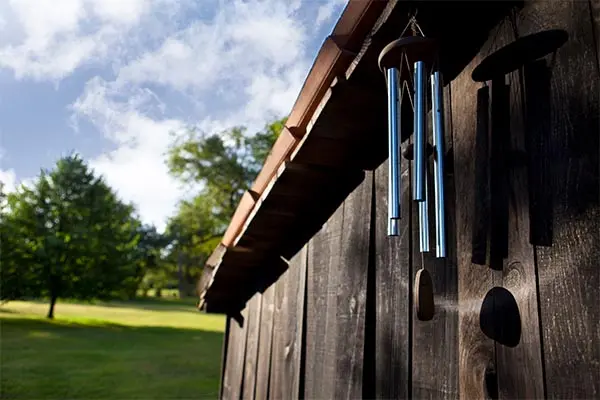
Nature Spirits & Place
Many folklore traditions also describe nature sprites — sometimes referred to as faeries — that are attuned to specific elemental qualities.
For example:
- Leprechauns are associated with earth and prosperity
- Pixies are linked with air, inspiration and ideas
- Nymphs or silkies relate to water, emotional balance and cooling excess
- Ifrits, aligned with fire, carry both destructive and creative potential — transformation and purification
These forces are traditionally approached with respect. When ignored or disrupted, imbalance can occur; when acknowledged, harmony tends to return.
Assigning a place for nature within a garden — whether symbolic or practical — is a way of recognising this relationship rather than dominating it.
Where Design Meets Intuition
Traditional good design practice — right plant, right place — remains fundamental.
Elemental guidance does not replace horticultural knowledge or landscape skill; it complements it.
When combined, design becomes not only functional and beautiful, but responsive — supporting growth, resilience and a sense of ease within the space.
Many clients find this approach makes their garden feel more alive, more settled, and more enjoyable to spend time in.
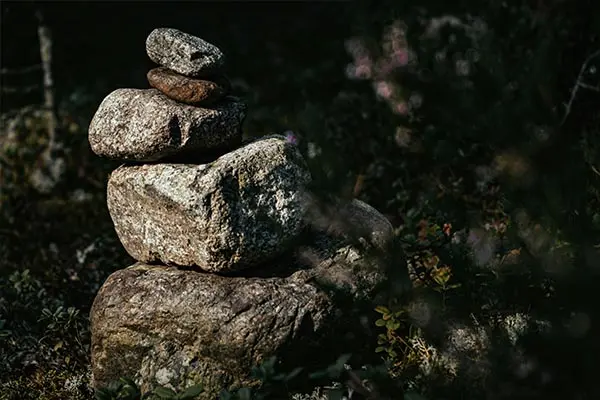
Who it’s for
Clients in the South East who want their garden or land to feel balanced, welcoming and supportive, especially where a space feels unsettled, stagnant or difficult to manage through conventional design alone.
Frequently asked questions
Here are some common questions about our company.
Both. While the language is symbolic, the work is grounded in physical design choices — materials, orientation, placement and flow — which influence how a space is experienced and used.
No. You don’t need to adopt any belief system. Many clients simply notice that a space feels calmer, clearer or more coherent after the work is done.
Yes. Elemental balance can often be introduced through small, sensitive adjustments rather than major redesign.
Absolutely. Elemental work is often most effective in smaller, more intimate spaces where subtle changes are easily felt.
Talk to me about your site
If you’re in the South East and would like a grounded conversation about your land and what it needs, get in touch.